mRNA-Based Therapy in Melanoma, Personalized Neoantigen Vaccines and the Future of Precision Immunotherapy
DOI:
https://doi.org/10.68178/fpn1rf64Keywords:
Melanoma; mRNA; Vaccines; Neoantigens; Immunotherapy; Precision medicineAbstract
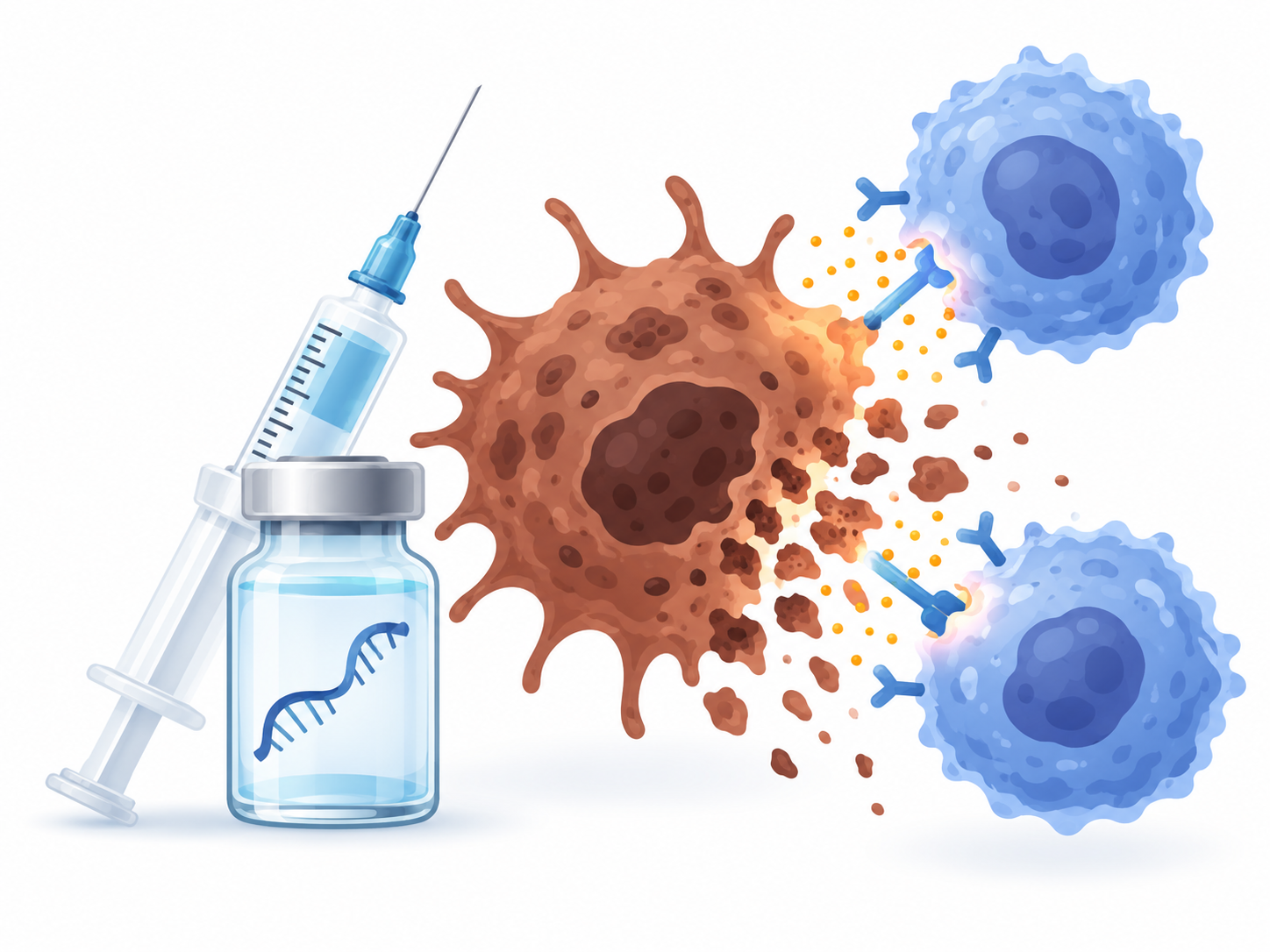
Melanoma is one of the most immunogenic solid malignancies and has become a major model for the development of precision immunotherapy. Although immune checkpoint inhibitors and molecularly targeted therapies have substantially improved outcomes, primary and acquired resistance, disease recurrence and metastatic progression remain important clinical challenges. Messenger RNA (mRNA) technology has emerged as a highly adaptable therapeutic platform capable of converting tumor-specific genomic information into individualized anticancer treatment. In melanoma, the most advanced application is the development of personalized mRNA vaccines encoding patient-specific tumor neoantigens. These vaccines exploit the high mutational burden of melanoma to generate broad CD4+ and CD8+ T-cell responses directed against tumor-specific epitopes while minimizing recognition of normal tissues.
The clinical development of mRNA-based individualized neoantigen therapy has progressed rapidly. In the phase IIb KEYNOTE-942 study, mRNA-4157/V940 combined with pembrolizumab improved recurrence-related outcomes compared with pembrolizumab alone in patients with resected high-risk melanoma. In August 2026, the phase III INTerpath-001 trial reported statistically significant and clinically meaningful improvements in both recurrence-free survival and distant metastasis-free survival for the combination of intismeran autogene (V940) and pembrolizumab compared with pembrolizumab alone. This represents an important milestone for mRNA-based cancer therapy.
Future directions include optimization of neoantigen prediction, incorporation of multi-omic tumor profiling, improved lipid nanoparticle delivery, combination with immune checkpoint blockade and cellular therapies, and development of mRNA constructs capable of modifying the tumor microenvironment. The integration of genomic, transcriptomic, epigenetic and immunological information may ultimately enable dynamic, continuously personalized mRNA therapy for melanoma.
Downloads
References
1. Timis, T., Buruiana, S., Dima, D., Nistor, M., Muresan, X. M., Cenariu, D., Tigu, A. B., Tomuleasa, C. (2025). Advances in Cell and Immune Therapies for Melanoma. Biomedicines, 13(1), 98. https://doi.org/10.3390/biomedicines13010098
2. Rausch MP, Hastings KT. Immune Checkpoint Inhibitors in the Treatment of Melanoma: From Basic Science to Clinical Application. In: Ward WH, Farma JM, editors. Cutaneous Melanoma: Etiology and Therapy [Internet]. Brisbane (AU): Codon Publications; 2017 Dec 21. Chapter 9. Available from: https://www.ncbi.nlm.nih.gov/books/NBK481851/ doi: 10.15586/codon.cutaneousmelanoma.2017.ch9
3. Zhou, H., Wei, D., Chen, Z., Chen, H., Dong, C., Yao, W., Wang, J., Liu, X., Li, Y., Yang, Y., & Tan, W. (2026). The mRNA-Based Innovative Strategy: Progress and Challenges. Nano-micro letters, 18(1), 118. https://doi.org/10.1007/s40820-025-01906-x
4. Plewa, P., Ćmil, M., Lewandowski, F., Poniewierska-Baran, A., Pawlik, A. (2026). mRNA Vaccines in Melanoma Immunotherapy-A Narrative Review. Cells, 15(3), 298. https://doi.org/10.3390/cells15030298
5. Wu, A. C., Nakamura, Y., Kiyotani, K. (2025). Advances in Neoantigen-Based Cancer Vaccines. Cancers, 18(1), 144. https://doi.org/10.3390/cancers18010144
6. Bafaloukos, D., Gazouli, I., Koutserimpas, C., & Samonis, G. (2023). Evolution and Progress of mRNA Vaccines in the Treatment of Melanoma: Future Prospects. Vaccines, 11(3), 636. https://doi.org/10.3390/vaccines11030636
7. Hosseini Kakroudi, M., Rezvanimehr, A., Zolfaghari, K., Baghaei-Shiva, G., Abbasi, H., Pourashory, M., Yazdanpanah, N., Saleki, K., & Rezaei, N. (2026). mRNA-based melanoma vaccines targeting gp100 and TRP2 macromolecules. Discover oncology, 17(1), 750. https://doi.org/10.1007/s12672-026-04811-w
8. Pearlman, A. H., Hwang, M. S., Konig, M. F., Hsiue, E. H., Douglass, J., DiNapoli, S. R., Mog, B. J., Bettegowda, C., Pardoll, D. M., Gabelli, S. B., Papadopoulos, N., Kinzler, K. W., Vogelstein, B., & Zhou, S. (2021). Targeting public neoantigens for cancer immunotherapy. Nature cancer, 2(5), 487–497. https://doi.org/10.1038/s43018-021-00210-y
9. Trejo-Vázquez, K., Espino-Salinas, C. H., Galván-Tejada, J. I., Villagrana-Bañuelos, K. E., Maeda-Gutiérrez, V., Galván-Tejada, C. E., Cerrillo-Rojas, G. V., Correa-Aguado, H. C., & Soto-Murillo, M. A. (2026). Identification and Prioritization of Neoantigens Derived from Non-Synonymous Mutations in Melanoma Through HLA Class I Binding Prediction. Immuno, 6(2), 21. https://doi.org/10.3390/immuno6020021
10. Byrne, E. H., & Fisher, D. E. (2017). Immune and molecular correlates in melanoma treated with immune checkpoint blockade. Cancer, 123(S11), 2143–2153. https://doi.org/10.1002/cncr.30444
11. Peng, M., Mo, Y., Wang, Y., Wu, P., Zhang, Y., Xiong, F., Guo, C., Wu, X., Li, Y., Li, X., Li, G., Xiong, W., & Zeng, Z. (2019). Neoantigen vaccine: an emerging tumor immunotherapy. Molecular cancer, 18(1), 128. https://doi.org/10.1186/s12943-019-1055-6
12. Wu, A. A., Peng, K., Vukovich, M., Zhu, M., Lin, Y., Bagga, A., Wu, T. C., & Hung, C. F. (2025). Personalizing DNA Cancer Vaccines. Journal of personalized medicine, 15(10), 474. https://doi.org/10.3390/jpm15100474
13. Demircan, T., Yıldırım, B., Ünsal, H. İ., & Bilir, A. (2026). Personalized mRNA Neoantigen Vaccines in Cancer: Linking Precision Antigen Selection, Immune Remodeling, and Checkpoint Blockade. International Journal of Molecular Sciences, 27(18), 8163. https://doi.org/10.3390/ijms27188163
14. Sun, S., Liu, L., Zhang, J., Sun, L., Shu, W., Yang, Z., Yao, H., & Zhang, Z. (2025). The role of neoantigens and tumor mutational burden in cancer immunotherapy: advances, mechanisms, and perspectives. Journal of hematology & oncology, 18(1), 84. https://doi.org/10.1186/s13045-025-01732-z
15. Khattak A, Carlino MS, Meniawy T, Ansstas G, Taylor MH, Kim KB, McKean M, Long GV, Sullivan RJ, Faries M, Tran TT, Cowey CL, Pecora A, Medina T, Atkinson V, Krepler C, Jemielita T, Mao H, Chow J, Ojalvo LS, Mehnert JM; KEYNOTE-942 Investigators. Intismeran Autogene Plus Pembrolizumab Versus Pembrolizumab Alone in High-Risk Resected Melanoma: 5-Year Update of the Randomized Phase IIb KEYNOTE-942 Study. J Clin Oncol. 2026 Sep 10;44(26):2482-2489. doi: 10.1200/JCO-26-00835
16. Weber JS, Carlino MS, Khattak A, et al. Individualised neoantigen therapy mRNA-4157 (V940) plus pembrolizumab versus pembrolizumab monotherapy in resected melanoma (KEYNOTE-942): a randomised, phase 2b study. Lancet. 2024;403(10427):632-644. doi:10.1016/S0140-6736(23)02268-7
17. Wohlfeil, S. A., & Utikal, J. S. (2026). After a Decade of Therapy Revolution in Cutaneous Melanoma-Perspectives on Emerging Treatment Strategies. Oncology research, 34(6), 3. https://doi.org/10.32604/or.2026.078650
18. Aronson, J. K., & Onakpoya, I. J. (2025). Clinical Study Reports-a systematic review with thematic synthesis: Part 1. History, contents and structure, definitions, and terminology. Trials, 26(1), 141. https://doi.org/10.1186/s13063-024-08710-9
19. Singh S, Banerjee M, Kushwah AS. Personalized neoantigen cancer vaccines: Why clinical benefit remains inconsistent. Crit Rev Oncol Hematol. 2026;223:105336. doi:10.1016/j.critrevonc.2026.105336
20. Zhao, H., Li, M., Zhou, J., Hu, L., Lu, S., & Li, P. (2024). The Recent Research Progress of the Tumor mRNA Vaccine. Vaccines, 12(10), 1167. https://doi.org/10.3390/vaccines12101167
21. Tai, Y., Wang, Q., Korner, H., Zhang, L., & Wei, W. (2018). Molecular Mechanisms of T Cells Activation by Dendritic Cells in Autoimmune Diseases. Frontiers in pharmacology, 9, 642. https://doi.org/10.3389/fphar.2018.00642
22. Persico, I., Doro, M. G., Frogheri, L., Sini, M. C., Maestrale, G. B., Manca, A., Mallardo, D., Ascierto, P. A., & Palmieri, G. (2026). How Deeply Can mRNA Vaccines Affect the Responsiveness to Immune Checkpoint Inhibitors Through Changes in the Tumor Microenvironment? Evidence from Melanoma. Cells, 15(11), 986. https://doi.org/10.3390/cells15110986
23. Van Oers, F., Katana, Z., Flumens, D., Lion, E., & Campillo-Davo, D. (2026). Advances in ex vivo mRNA-based gene transfer for cell-based cancer immunotherapy. Molecular therapy. Nucleic acids, 37(3), 102994. https://doi.org/10.1016/j.omtn.2026.102994
24. Wei, T., Tao, W., & Cheng, Q. (2022). Lipid nanoparticles for mRNA therapy: recent advances in targeted delivery. Life medicine, 1(1), 21–23. https://doi.org/10.1093/lifemedi/lnac004
25. Wang, J., Chen, R., Xie, Y., Qin, X., Zhou, Y., & Xu, C. (2025). Endo/Lysosomal-Escapable Lipid Nanoparticle Platforms for Enhancing mRNA Delivery in Cancer Therapy. Pharmaceutics, 17(7), 803. https://doi.org/10.3390/pharmaceutics17070803
26. Sisk, C. K., Turner, L. M., Meraj, S., & Yusuf, N. (2026). Advances in mRNA-Based Melanoma Vaccines: A Narrative Review of Lipid Nanoparticle and Dendritic Cell Delivery Platforms. Cells, 15(2), 99. https://doi.org/10.3390/cells15020099
27. Ding, Y., Li, Z., Jaklenec, A., & Hu, Q. (2021). Vaccine delivery systems toward lymph nodes. Advanced drug delivery reviews, 179, 113914. https://doi.org/10.1016/j.addr.2021.113914
28. Li, X., Jabbarzadeh Kaboli, P., Roozitalab, G., Salahi, S., Qian, H., Zhang, X., Chen, K., Imani, S. (2026). Next-generation neoantigen mRNA vaccines: Immuno-engineering strategies for precision cancer immunotherapy. Cellular oncology (Dordrecht, Netherlands), 49(2), 72. https://doi.org/10.1007/s13402-026-01199-1
29. Zhang, Y., Cai, Q., Shu, X. O., Gao, Y. T., Li, C., Zheng, W., & Long, J. (2015). Whole-Exome Sequencing Identifies Novel Somatic Mutations in Chinese Breast Cancer Patients. Journal of molecular and genetic medicine : an international journal of biomedical research, 9(4), 183. https://doi.org/10.4172/1747-0862.1000183
30. Miller, A. C., Obholzer, N. D., Shah, A. N., Megason, S. G., & Moens, C. B. (2013). RNA-seq-based mapping and candidate identification of mutations from forward genetic screens. Genome research, 23(4), 679–686. https://doi.org/10.1101/gr.147322.112
31. Ferreira, H. J., Stevenson, B. J., Pak, H., Yu, F., Almeida Oliveira, J., Huber, F., Taillandier-Coindard, M., Michaux, J., Ricart-Altimiras, E., Kraemer, A. I., Kandalaft, L. E., Speiser, D. E., Nesvizhskii, A. I., Müller, M., & Bassani-Sternberg, M. (2024). Immunopeptidomics-based identification of naturally presented non-canonical circRNA-derived peptides. Nature communications, 15(1), 2357. https://doi.org/10.1038/s41467-024-46408-3
32. Chen, K., Chen, Z., Wang, J., Zhou, M., Liu, Y., Xu, B., Yu, Z., Li, Y., Yang, G., & Xu, T. (2025). Single-Cell Sequencing Unravels Pancreatic Cancer: Novel Technologies Reveal Novel Aspects of Cellular Heterogeneity and Inform Therapeutic Strategies. Biomedicines, 13(12), 3024. https://doi.org/10.3390/biomedicines13123024
33. Mehrmohamadi, M., Sepehri, M. H., Nazer, N., & Norouzi, M. R. (2021). A Comparative Overview of Epigenomic Profiling Methods. Frontiers in cell and developmental biology, 9, 714687. https://doi.org/10.3389/fcell.2021.714687
34. Freeman, W. M., & Hemby, S. E. (2004). Proteomics for protein expression profiling in neuroscience. Neurochemical research, 29(6), 1065–1081. https://doi.org/10.1023/b:nere.0000023594.21352.17
35. Lin, Z., Wei, L., Cai, W., Zhu, Y., Tucholski, T., Mitchell, S. D., Guo, W., Ford, S. P., Diffee, G. M., & Ge, Y. (2019). Simultaneous Quantification of Protein Expression and Modifications by Top-down Targeted Proteomics: A Case of the Sarcomeric Subproteome. Molecular & cellular proteomics : MCP, 18(3), 594–605. https://doi.org/10.1074/mcp.TIR118.001086
36. Diaz-Herrero, A., Pelaez-Prestel, H. F., Massenet-Regad, L., Veyssiere, M., Calvani, J., Cristinelli, C., Lehmann-Che, J., Meignin, V., Thieblemont, C., Blanc, V., Soumelis, V., & Tonnerre, P. (2026). Spatial transcriptomics unveils immune cellular ecosystems associated with patient survival in diffuse large B-cell lymphoma. Oncoimmunology, 15(1), 2660418. https://doi.org/10.1080/2162402X.2026.2660418
37. Gazouli, I., Bafaloukos, D., Koutserimpas, C., & Samonis, G. (2025). Individualized mRNA Vaccines in Melanoma—Where Do We Stand? Vaccines, 13(9), 986. https://doi.org/10.3390/vaccines13090986
38. Shteinman, E. R., Attrill, G. H., Maher, N. G., Gnana, K., Addala, V., Mao, Y., Palendira, U., Conway, J. W., Colebatch, A. J., Waddell, N., Hayward, N. K., Pearson, J. V., Long, G. V., Scolyer, R. A., Wilmott, J. S., & Vergara, I. A. (2026). Enhanced measures of neoantigenicity capture unique tumor-immune interactions across primary melanoma subtypes. Genome medicine, 18(1), 106. https://doi.org/10.1186/s13073-026-01673-3
39. Hou, Y., Chen, C., & Chen, X. (2026). Advancing precision immuno-oncology in melanoma: the synergistic convergence of personalized neoantigen vaccines and multi-omics biomarker profiling. Frontiers in immunology, 17, 1831047. https://doi.org/10.3389/fimmu.2026.1831047
40. Lang, F., Schrörs, B., Löwer, M., Türeci, Ö., & Sahin, U. (2022). Identification of neoantigens for individualized therapeutic cancer vaccines. Nature reviews. Drug discovery, 21(4), 261–282. https://doi.org/10.1038/s41573-021-00387-y
41. Zhang, M., Chen, S., Hu, H., Ong, Y., & Ni, Q. (2025). Advances and Strategies in Enhancing mRNA Cancer Vaccines. Advanced materials (Deerfield Beach, Fla.), 37(42), e09880. https://doi.org/10.1002/adma.202509880
42. Li, J., Liu, Y., Dai, J., Yang, L., Xiong, F., Xia, J., Jin, J., Wu, Y., & Peng, X. (2025). mRNA Vaccines: Current Applications and Future Directions. MedComm, 6(11), e70434. https://doi.org/10.1002/mco2.70434
43. Callahan, M. K., Postow, M. A., & Wolchok, J. D. (2015). CTLA-4 and PD-1 Pathway Blockade: Combinations in the Clinic. Frontiers in oncology, 4, 385. https://doi.org/10.3389/fonc.2014.00385
44. Hu-Lieskovan, S., Robert, L., Homet Moreno, B., & Ribas, A. (2014). Combining targeted therapy with immunotherapy in BRAF-mutant melanoma: promise and challenges. Journal of clinical oncology : official journal of the American Society of Clinical Oncology, 32(21), 2248–2254. https://doi.org/10.1200/JCO.2013.52.1377
45. Thomas, N. E., Edmiston, S. N., Alexander, A., Groben, P. A., Parrish, E., Kricker, A., Armstrong, B. K., Anton-Culver, H., Gruber, S. B., From, L., Busam, K. J., Hao, H., Orlow, I., Kanetsky, P. A., Luo, L., Reiner, A. S., Paine, S., GEM Study Group (2015). Association Between NRAS and BRAF Mutational Status and Melanoma-Specific Survival Among Patients With Higher-Risk Primary Melanoma. JAMA oncology, 1(3), 359–368. https://doi.org/10.1001/jamaoncol.2015.0493
46. Pochileev, I., Fakirova, A., Tashkova, D., Gerdgikova, A., Ilieva, N., Serteva, D., Shalamanova, G., Ivanov, H., Linev, A., & Dimova, I. (2026). Upregulation of miR-4286 and miR-146a-5p in Metastatic Melanoma, Revealed by Multiplex Expression Analysis. Current Issues in Molecular Biology, 48(3), 279. https://doi.org/10.3390/cimb48030279
47. Adhikary K, Paul A, Madan A, Islam A, Ashique S, Ramzan M. Personalized precision: Revolutionizing cancer treatment with mRNA-based vaccines in melanoma therapy. Adv Immunol. 2025;166:137-167. doi:10.1016/bs.ai.2024.10.011
48. Magoola, M., & Niazi, S. K. (2025). Current Progress and Future Perspectives of RNA-Based Cancer Vaccines: A 2025 Update. Cancers, 17(11), 1882. https://doi.org/10.3390/cancers17111882
49. Brlek, P., Kolić, J., Bulić, L., Škaro, V., & Primorac, D. (2026). Artificial intelligence in peptide cancer vaccine design: from neoantigen discovery to immunogenicity prediction. Frontiers in genetics, 17, 1875066. https://doi.org/10.3389/fgene.2026.1875066
50. Afzal, A., Abbasi, M. H., Ahmad, S., Sheikh, N., & Khawar, M. B. (2025). Current Trends in Messenger RNA Technology for Cancer Therapeutics. Biomaterials research, 29, 0178. https://doi.org/10.34133/bmr.0178
51. Zoroddu, S., & Bagella, L. (2025). Next-Generation mRNA Vaccines in Melanoma: Advances in Delivery and Combination Strategies. Cells, 14(18), 1476. https://doi.org/10.3390/cells14181476
52. Zafar, A., Khatoon, S., Khan, M. J., Abu, J., & Naeem, A. (2025). Advancements and limitations in traditional anti-cancer therapies: a comprehensive review of surgery, chemotherapy, radiation therapy, and hormonal therapy. Discover oncology, 16(1), 607. https://doi.org/10.1007/s12672-025-02198-8
53. Menyhárt, O., & Győrffy, B. (2021). Multi-omics approaches in cancer research with applications in tumor subtyping, prognosis, and diagnosis. Computational and structural biotechnology journal, 19, 949–960. https://doi.org/10.1016/j.csbj.2021.01.009
54. Gouda MA, Huang HJ, Piha-Paul SA, et al. Longitudinal Monitoring of Circulating Tumor DNA to Predict Treatment Outcomes in Advanced Cancers. JCO Precis Oncol. 2022;6:e2100512. doi:10.1200/PO.21.00512
55. Yan, Y., Liu, S., Wen, J., He, Y., Duan, C., Nabavi, N., Ashrafizadeh, M., Sethi, G., Liu, L., & Ma, R. (2025). Advances in RNA-based cancer therapeutics: pre-clinical and clinical implications. Molecular cancer, 24(1), 251. https://doi.org/10.1186/s12943-025-02463-y
56. Moussallem, N., Awada, A., El Darzi, R., Tarhini, A., Khaled, A., Ashy, C., Nasr, W., El Masri, A., Saad, G., Itani, M., Rizkallah, J., Charbel, N., Hatahet, Z., Saade, D., Abou Rahal, J., & Kreidieh, F. (2026). Therapeutic Resistance in Melanoma: Molecular Mechanisms and Emerging Pharmaceutical Strategies. Pharmaceuticals, 19(9), 1455. https://doi.org/10.3390/ph19091455
Downloads
Published
Issue
Section
Categories
License
Copyright (c) 2026 Iliyan Dimitrov Pochileev (Autor/a)

This work is licensed under a Creative Commons Attribution 4.0 International License.
Los artículos publicados en Perspectivas en Ciencias Médicas y Biológicas se distribuyen bajo los términos de la licencia Creative Commons Atribución 4.0 Internacional (CC BY 4.0). Esta licencia permite compartir y adaptar el contenido para cualquier propósito, siempre que se otorgue el crédito correspondiente a los autores y a la publicación original, se proporcione un enlace a la licencia y se indique si se realizaron cambios. Los autores conservan los derechos de autor de sus trabajos.